Archive | Uncategorized RSS feed for this section

My Favorite Los Angeles Records 1959-1971

30 Aug

I read the LA Weekly’s Top 20 Greatest L.A. Punk Albums of All Time: The Complete List and realized that their list was missing some of my favorites, so I decided to make my own list. I’m attempting to be a bit ambitious though and include a few other genres as well as a history leading up to my own favorite LA punk albums, singles & videos.  This is by no means a “complete list,” but please note that I do not claim to be making a complete list as the LA Weekly has done.

Los Angeles’ back story. The Tongva and Chumash Indians were here first, followed by the Spaniards and Mexican rancheros.  In 1781 forty settlers (two-thirds of which were mestizo – of mixed race) founded what would become the City of Los Angeles.  L.A. was the capital of Mexico’s Alta California province until the US won the Mexican-American war in 1847. White European-American settlers didn’t come en masse until the late 1800s when the east-west railroad system was constructed by Chinese migrant workers. William Mulholland found a way to divert river water that irrigated inland apple orchards into LA by constructing one of the largest water canals in US history in 1913 – also marginalizing a number of inland farmers and their livelihood.  The water supply allowed Los Angeles to boom from the 1880s-the 1920s.

The romance of moving to California was furthered by a very popular 1884 novel “Ramona” which depicted LA as a veritable garden of Eden with a mixed race populous living harmoniously. Of course, this was far from the truth as the influx of white Americans slighted those who were there before (Indigenous and Chicanos), and began to oppress those who built their mode of transportation to arrive there in the first place,  the migrant worker Chinese. It’s a very American story, but distinctly noir-ish as Hollywood films would later convey.

Southern California was an ideal climate and location to shoot films because of the temperate year-round climate and close proximity to a variety of scenic film locations – the beach, mountains and desert. This fact as well as the romance of California brought the majority of the film industry to relocate from New York to LA. The 1920s was the prime of classic Hollywood, and bars and nightclubs popped up all around the Sunset Strip.  Jazz Music was in as well as other popular music of the time.

During prohibition, the Italian-American Los Angeles Crime Family controlled bootlegging in conjunction with the corrupt LAPD.  Clandestine tunnels were built underneath downtown LA, ferrying booze between speakeasys and bars like The King Eddy and Cole’s.

In the 1930s, like the rest of the nation, LA suffered during the Great Depression. “Day of The Locust” (1939) by Nathanael West depicted Hollywood during the depression (out of work carnies and dwarves, alcoholic actors, damaged women etc.).  John Fante’s “Ask The Dust” (1939) showed what life was like for a struggling young downtown LA  transplant in the 30s.   “Okies,” migrant laborers from Oklahoma’s dust bowl, were the next group to be marginalized, as Steinbeck documented in his great work of fiction “Grapes of Wrath” (1939).  In the early 30s, despite LA being racially diverse, chalk full of Latinos, Filipinos, Chinese, Italians, a policy of “Mexican Repatriation” was enforced, with 12,000 Mexican-Americans sent back to Mexico.  However, by the end of the 30s there was still a very strong Chicano presence, with about 3 million Latinos in LA.

During WWII, Japanese-Americans were sent to internment camps and tension began to build between “pachucos” or “zoot suiters” and white Marines and Sailors stationed in LA.  When a fight broke out between zoot suiters and white military men, the LAPD swarmed in along with the military and beat any Latino or Filipino or Black seen wearing a “Zoot Suit.”

Lalo Guerrero is known as the “father of Chicano Music” in LA during the 1940s and personifies the tough, rebellious and suave Zoot Suiter vibe of the 1940s with songs like “Marihuana Boogie” and “Los Chucos Suaves.”

During the post-war 1940s a large influx of blacks from the South came into LA and were able to create farms and later a thriving middle-class black population in South LA due to the abundant factory work at the Goodyear, Boeing, McDonnell Douglas and Firestone factories among others.  They brought with them a rich musical tradition of blues and jazz.

Cecil McNeely, LA, 1940s

Cecil McNeely, LA, 1940s

 LA, 1940s

LA, 1940s

Anthony Ortega, LA, 1940s

Anthony Ortega, LA, 1940s

I haven't read this book yet, but it's on my list: Central Avenue Sounds, Jazz In Los Angeles

I haven’t read this book yet, but it’s on my list: Central Avenue Sounds, Jazz In Los Angeles

MY FAVORITE LA RECORDS

Okay, let’s get going. Some of these are rather obvious selections, but there are certain classics that can’t be ignored.  As I dug into this history, I remembered that I love the music too. Please let me know if I’m excluding any great LA records or singles.

Ritchie_Valens_1959

RITCHIE VALENS s/t LP (1959)

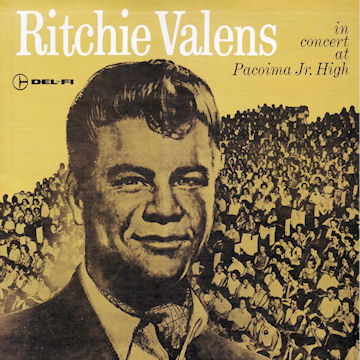
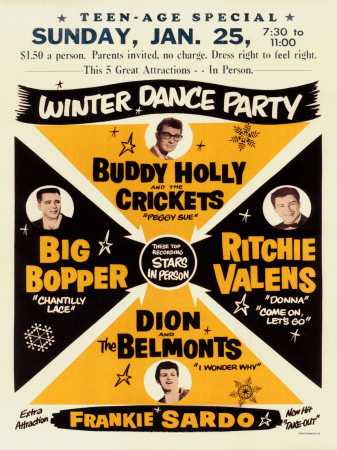
Does Ritchie Valens not make you want to cry? He makes me want to cry. I adore his music.  Ritchie was a Mexican-American from Pacoima in the San Fernando valley, raised by a single mother. He also had a noogoodnik brother named Bob (played brilliantly by Esai Morales in the excellent 1987 biopic “La Bamba”).  Ritchie Valens is what the rags-to-riches westcoast American dream was in the 1950s.  He was talented and humble and died young in a 1959 plane crash along with Buddy Holly and the Big Bopper (“The day the music died”). Long live Ritchie Valens.

ritchie

RITCHIE LP (1959)

delfi1214

RICHIE VALENS “In Concert At Pacoima Jr. High” (1961)

Buddy Holly’s guitarist Tommy Allsup lost the coin toss with Ritchie Valens in Clear Lake, Iowa, securing Ritchie a place on the doomed propeller plane
winter-dance-party_20110131165153_640_480

jan-and-dean-surf-city-1963

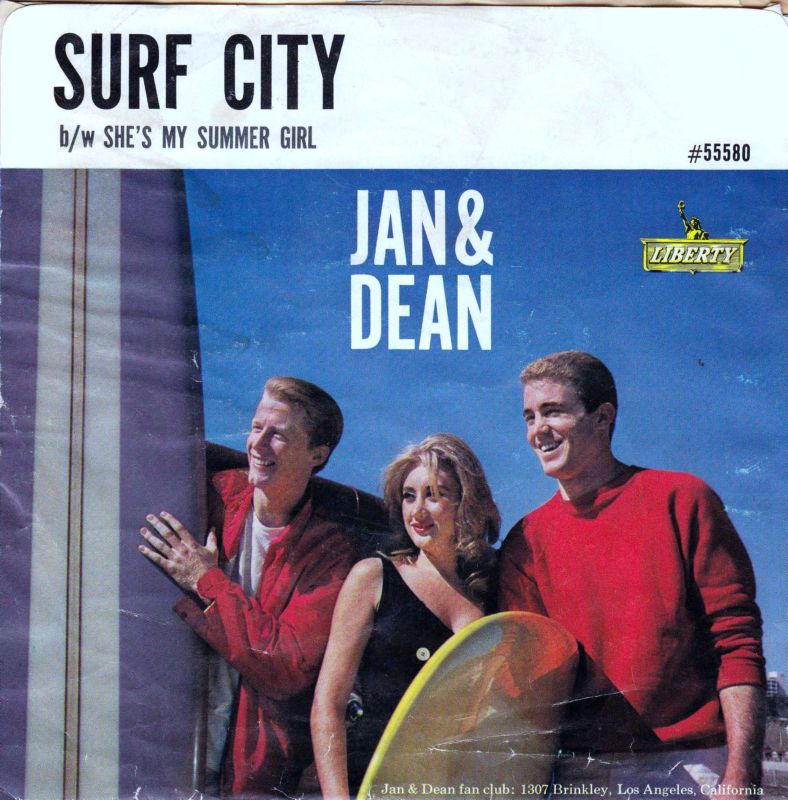
JAN AND DEAN “SURF CITY” (1963)

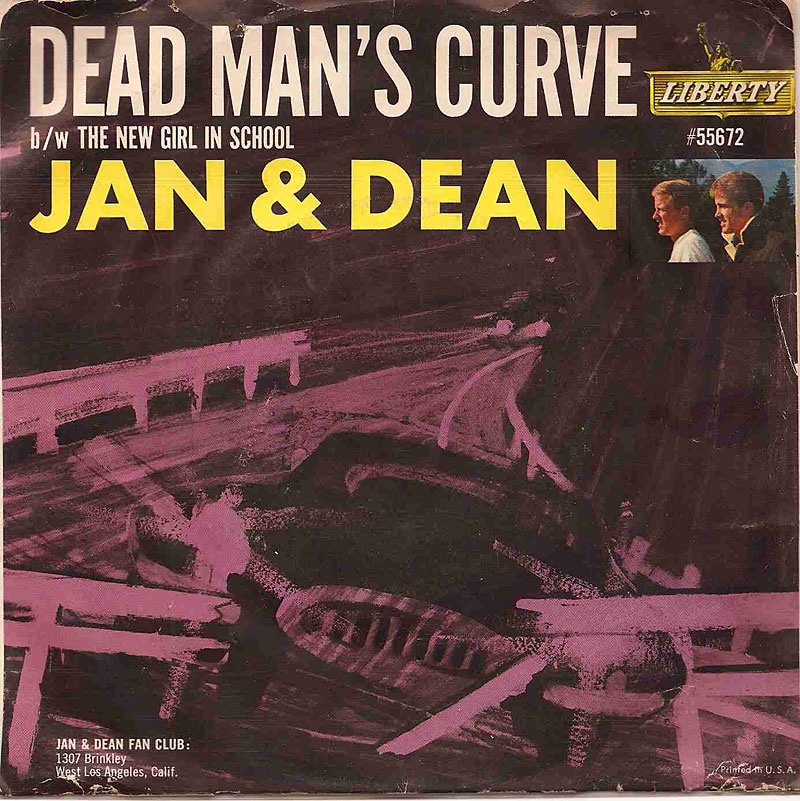
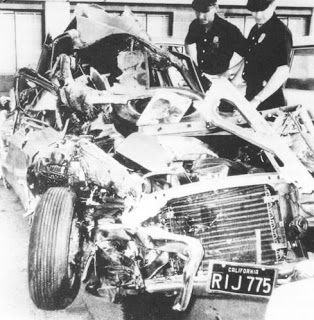
Jan and Dean were the epitome of All-American, Apple Pie eating California white boys.   Brian Wilson penned their 1963 hit “Surf City.” “Two Girls For Every Boy…”  who wouldn’t want two girls? Who wouldn’t want to go to surf city and have some fun where the girls are two to one?   On On April 12, 1966, William Jan Berry suffered a fatal car crash on Whittier Drive, nearby “Dead Man’s Curve.” Eerily, two years earlier they released a hit song about that very stretch of Sunset Blvd. near UCLA.
jan-dean-dead-mans-ps

Jan's car after the accident that eerily transpired 2 years after releasing "Dead Man's Curve"

Jan’s car after the accident that eerily transpired 2 years after releasing “Dead Man’s Curve”

buck-owens-loves-gonna-live-here-capitol-2

BUCK OWENS “LOVE’S GONNA LIVE HERE” (1963)

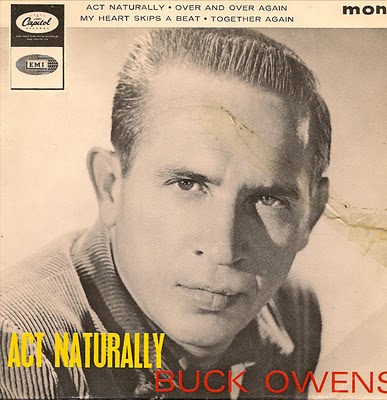
Buck Owens formed his band up in Bakersfield but I’m including him in this LA list because he recorded nearly all of his albums and hit singles in the basement studios of Capitol Records in Hollywood. His upbeat and twangy country sound made it across the Atlantic and the Beatles would cover his hit “Act Naturally” (1963) on their Help album in 1965. Buck Owens music would influence scores of LA musicians to follow. His bar and restaurant “Crystal Palace,” is the only remaining honky tonk in Bakersfield today.
BuckEP

buck

beachboys

THE BEACH BOYS “SURFER GIRL” (1963)

The Beach Boys were from the sleepy South Bay town of Hawthorne. They’re one of the most recognizable purveyors of the Southern California sound. While the harmonies often sound happy and upbeat with tunes like “Fun Fun Fun,” songwriter Brian Wilson often suffered from deep depression and struggled with drugs and alcohol. “Pet Sounds” released in 1966 seems like the obvious choice for the Beach Boys best album, but I’m going with 1963’s “Surfer Girl” LP on Capitol Records. There’s something about the lament, sadness and longing with the slower songs on this Beach Boys release that always tugged at my heartstrings. Their finest moment is “In My Room,” a song that I listened to dozens of times in my room as a teenager on cassette tape. Every time I hear it I feel it.
sunrays6

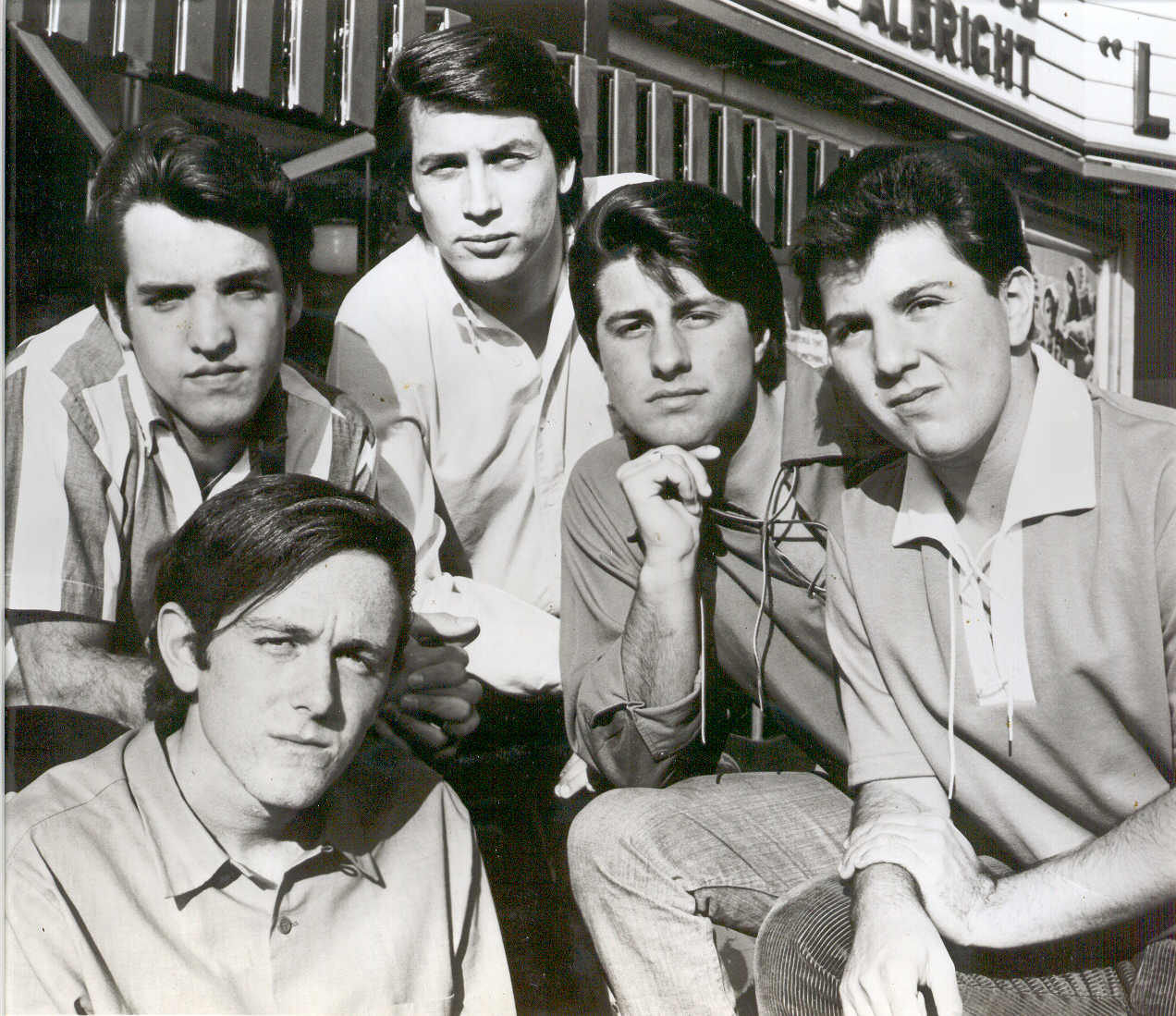
THE SUNRAYS “I LIVE FOR THE SUN” (1965)

The Sunrays were initially formed as “The Renegades” in the late 50s. They hailed from the affluent ‘burb of Pacific Palisades, bordering Santa Monica and the Beach.  They only released 1 LP (Andrea, 1966), but their hit was, “I Live For The Sun.” What else would a surfer teenager from the 60s have to live for? Sun, cars and girls. That’s what we’re trying to sell you. That’s what California is all about.
TurnTurnTurnCover

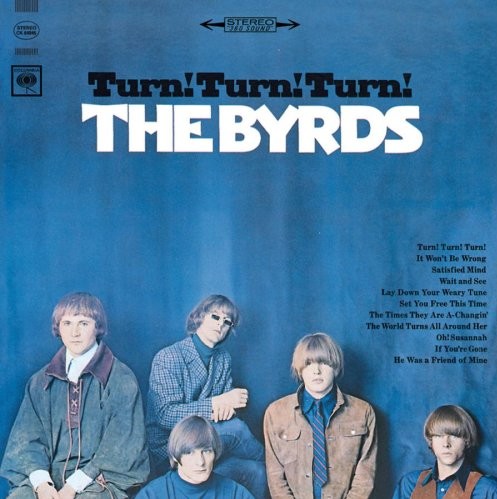
THE BYRDS “TURN TURN TURN” (1965)

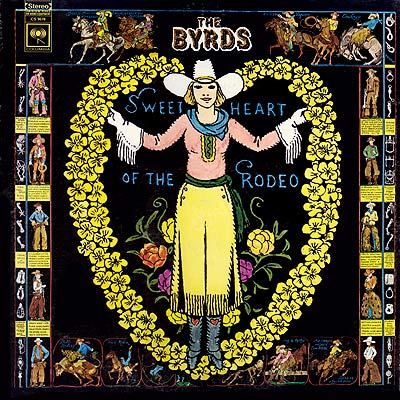
Was there another album in the mid 60s besides Bob Dylan that encapsulated the vibe of the 60s more than the Byrds “Turn Turn Turn” LP in 1965?  I think not. However, my favorite Byrds LP is “Sweetheart Of The Rodeo” from 1968.  They decided to bring in Southern boy and recent LA transplant Gram Parsons, who convinced them to record a country album in Nashville. An LA band recording a country album? Unheard of. It not only sounds authentic and heartfelt, it sounds fantastic and would usher in a new era of LA country rock led by folks like Jackson Browne and The Eagles. As far as THE LA country-rock albums before the schlocky glossed over Eagles: The Byrds “Sweetheart of the Rodeo” and Flying Burrito Bros “Gilded Palace of Sin,” to come up shortly.
TheByrdsSweetheartoftheRodeo

THE BYRDS “SWEETHEART OF THE RODEO” (1968)

Gram Parsons vocals on the Byrds 6th album, “Sweetheart Of the Rodeo” are nothing short of brilliant:

cannibal

CANNIBAL & THE HEADHUNTERS “LAND OF 1000 DANCES” (1965)

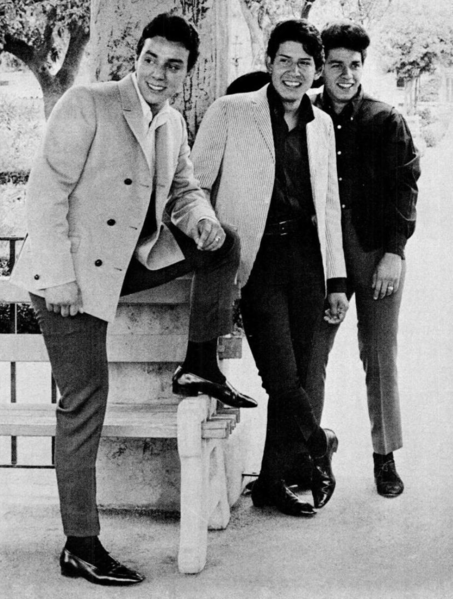
In the mid-60s there was a Sunset Strip/Hollywood scene led by bands like The Byrds, Love, Buffalo Springfield and The Doors and there was also something else going on in vibrant Chicano ‘hood of East LA.  In East LA, bands like Cannibal & The Headhunters and Thee Midniters reigned supreme, but were often ignored by the Hollywood Scene.  Cannibal & The Headhunters were the opening act on the Beatles 2nd US tour. Both Cannibal & Midniters would receive radio hits with their covers of the same song, “LAND OF 1000 DANCES,” later made even bigger by Wilson Pickett’s version (and  R&B #1 hit) in 1966.
Cannibal & The Headhunters, East LA, 1966

Cannibal & The Headhunters, East LA, 1966. Check out those shoes!
midniters

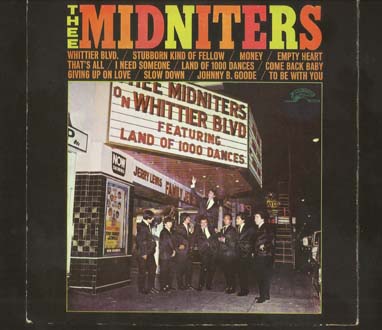
THEE MIDNITERS “WHITTIER BLVD” (1965)

Thee Midniters were known to be the “Beatles of East LA.” They were wildly popular and also had a hit with their cover of “Land of 1000 Dances,” as well as “Whittier Blvd,” the main drag in East LA.  Also not ones to shy from being politically charged, they jumped on the wagon with Cesar Chavez and other Latino rights activists in the late 60s, recording “Chicano Power.”

THEE MIDNITERS “LAND OF 1000 DANCES”

THEE MIDNITERS “CHICANO POWER”
51ZvcVpQ7rL

LOVE

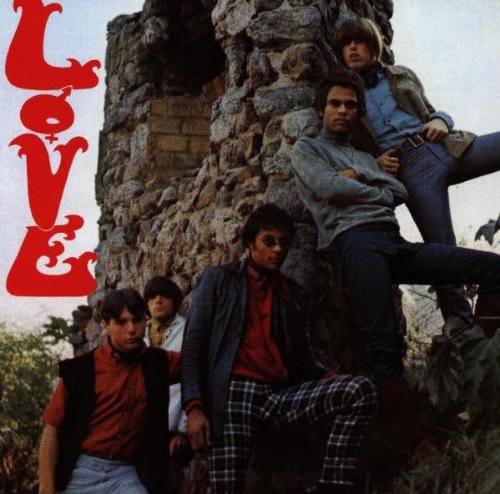
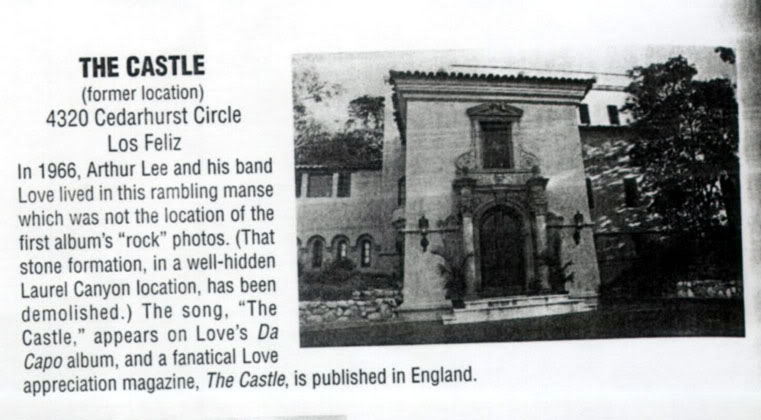
Arthur Lee’s LOVE were probably LA’s greatest and most criminally underrated band. They played many nights of sold out residencies at Sunset Strip venues such as the Whiskey A Go Go. Arthur Lee was the undisputed king of the Sunset Strip during its prime in the mid-60s.  His fashion sense, flair, drug use and eccentricity made him king, as he personified the vibe of LA in the 60s.  Arthur Lee would later claim that Jimmy Hendrix ripped off his style.  He also claimed that Jim Morrison idolized him and tried to emulate him, going as far as adopting the same breed of dog, dating his ex-girlfriend and getting signed to Love’s record label (Elektra).  They were one of LA’s first rock bands that had both black and white members and they lived in a “castle” in Los Feliz.
crop0008_4

Unfortunately due to Arthur Lee’s mental problems, they rarely toured outside of Los Angeles, not making it further than San Francisco. LA bands like the Byrds and The Doors would sell many more records and had much more national and international accolade. John Einarson’s “Forever Changes” does an excellent job at telling their tragic and beautiful story.

Forever_Changes_Arthur Lee_and_the_Book_of_ Love_psychedelic_rocknroll_John_Einarson

Love’s 1966 self titled LP (pictured above the book)  is a perfect high energy romp of 60s garage punk.  They notably covered Burt Bacharach’s “Little Red Book” with such attitude and flair that their version became a local radio hit.
Love-e1342244057982

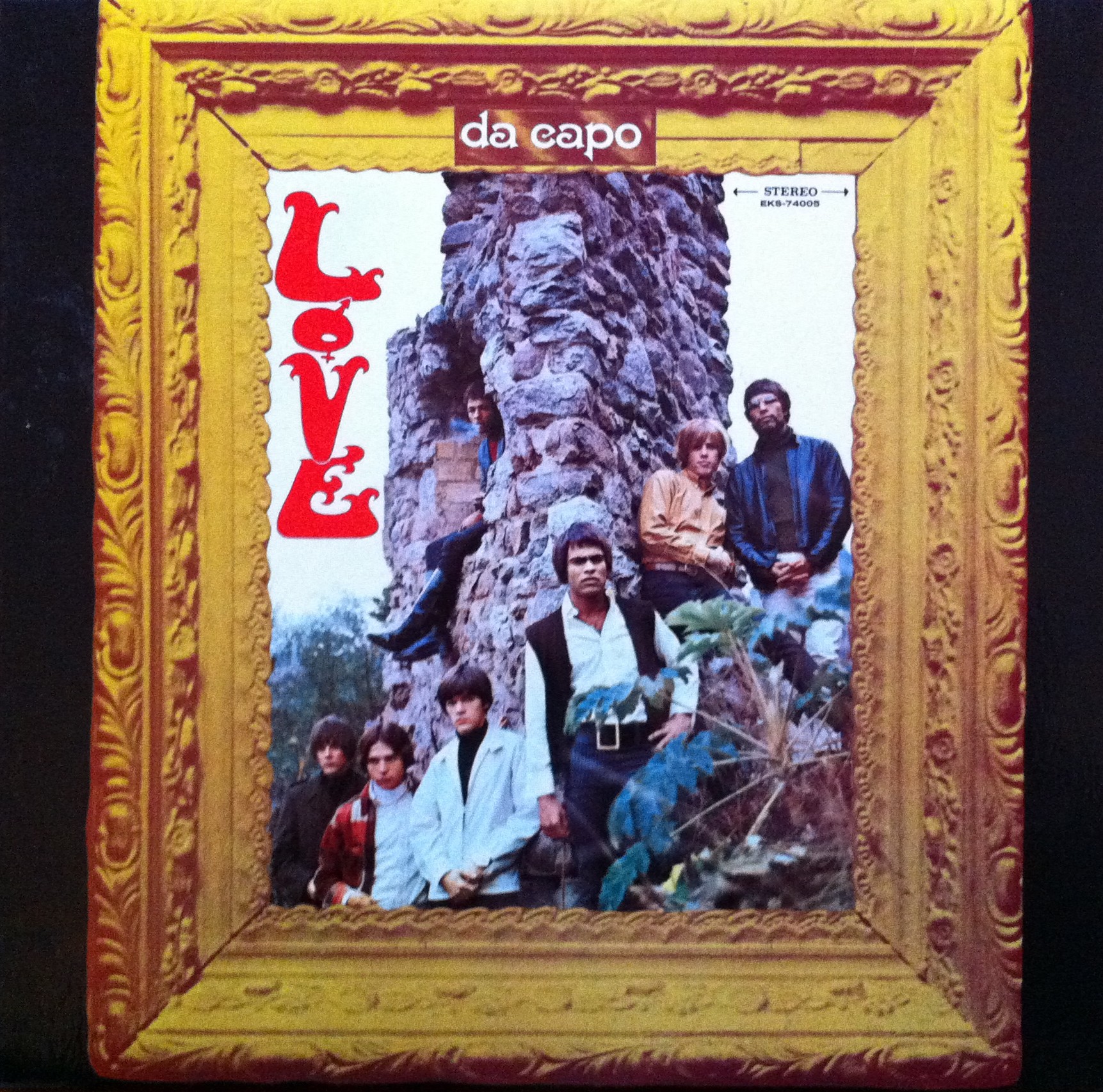
LOVE’s 1967 album “Da Capo” is frenetic and bounces all over the place from rock to jazz to psychedelia. Arthur Lee claimed that the Rolling Stones stole “She’s A Rainbow” from his “She Comes In Colors” featured on this album.  The hit however is “7 and 7 Is,” a proto punk classic that would later be covered by LA punk bands like The Weirdos.
love-forever_changes_01

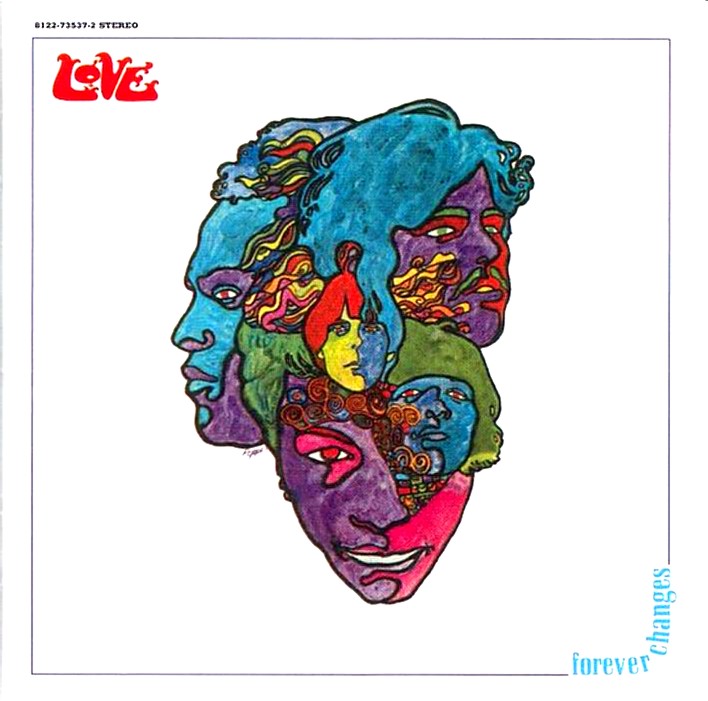
LOVE’s 3rd album “Forever Changes” released in 1967, is pure bliss. The group would disband due to drug problems and Arthur Lee’s mental issues then reform with a completely different lineup. Love would never be the same.  Before Arthur Lee’s death in 2006, he was able to reunite with original guitarist Johnny Echols and toured Europe with London’s philharmonic orchestra, playing “Forever Changes” from start to finish. A fitting finale for one of LA’s finest songwriters.

Love

Love

SEEDS

TheSeedsLP

The Seeds first 2 LPs, both released in 1966, are unstoppable bare-bones raw garage punk. Frontman Sky Saxon was a madman. One of a kind. The Seeds were also instrumental in inspiring scores of punk bands in both the US and UK.

seeds2

standells-dirty-water

THE STANDELLS “DIRTY WATER” (1966)

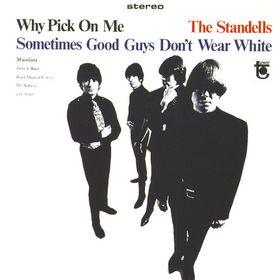
The Standells were some more garage rock godfathers of punk from the fair city of Los Angeles.  Coming from Italian and Chicano descent, these bad boys wanted to be The Beatles or the Stones of LA. Early in their career, they performed on “The Munsters” TV show playing the Beatles “I Want To Hold Your Hand.”   They also appeared in the B-Movie “Riot on the Sunset Strip,” and played the title tune on the soundtrack. In the 80s, DC punk band Minor Threat would notably cover the Standells song “Sometimes Good Guys Don’t Wear White.” The Standells along with The Seeds exemplified the LA Sunset Strip bare-bones garage rock sound of the mid-60s.
album_The-Standells-Why-Pick-on-Me

the-standells-riot-on-sunset-strip-tower

THE STANDELLS

Flying+Burrito+Brothers+-+The+Gilded+Palace+Of+Sin+-+LP+RECORD-342830

FLYING BURRITO BROS “GILDED PALACE OF SIN” (1969)

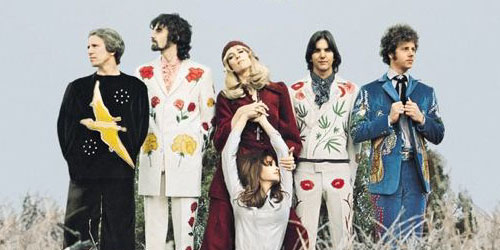
Gram Parsons and Chris Hillman quit the Byrds and formed Flying Burrito Brothers, a full on country group with some rock influences. This was before the Eagles, before Jackson Browne and before the “Country Rock” phenomena lead by The Eagles, Crosby Stills Nash & Young Etc.  Gram Parsons was fully into drugs and fully into leaving town for months on end to tag along with Keith Richards and the Rolling Stones which would ultimately lead to his departure from the Burrito Bros.  In their prime, Parsons and Hillman recorded “Gilded Palace Of Sin” in 1969, a fabulous record which never sold too many copies. The Rolling Stones gave “Wild Horses” to Gram and he recorded it with Flying Burrito Bros in 1971, one year  before the Stones did. The Rolling Stones didn’t just give songs to anyone.

Gram Parsons would record 2 solo albums before his untimely death, OD’ing in Joshua Tree.  His tour manager and Gram had made a pact, whoever died first would be cremated in Joshua Tree. Gram’s tour manager actually rented a hearse and stole his body from a LAX airport holding facility where it was due to be flown to Louisiana for a funeral there.  Drunk out of his mind, he drove the stolen corpse of his dead friend out to the desert and doused Gram’s body in kerosene.  The flame burst into a giant fireball, and park rangers and police saw the sky-high flame in the middle of Joshua Tree national park.   Gram’s tour manager fled the scene and was later arrested but God bless him for following through with his promise and in the process creating one of the best rock and roll stories around. Long live Gram Parsons and his finest hour, “Gilded Palace of Sin.”
flying-burritos-splsh

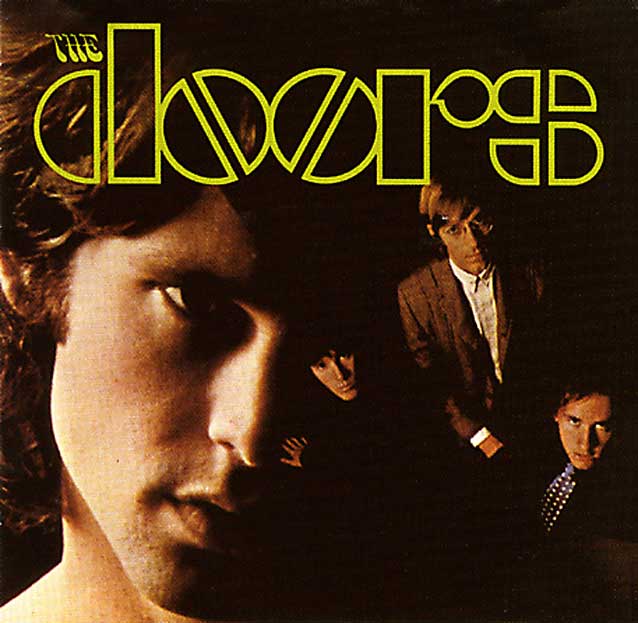
THE DOORS (1967)

doors_h

Last and not least, this final selection will probably make many of my friends cringe and perhaps even squirm.  I do not believe in guilty pleasures however.  The Doors were and sounded like and embodied everything about Los Angeles.  They were artistic, poetic, tortured, at times affected but at times REAL. Morrison was fucked up just like LA is fucked up. The guys together were everymen in the fact that they didn’t have to go into factories or work graveyard shifts to see what kind of feeling lay in the eyes of LA’s people.   I challenge anyone to drive around Los Angeles and see the brown mountains and the foamy seashore and the traffic and the city and the cops and the homeless shopping cart people and the Mexican day laborers waiting for work in parking lots and the kids from the Midwest moving here in search of acting jobs and the drugs and the overdoses and the bars and nightclubs and stripclubs and stripmalls and car accidents …..  as you are taking this all in put on something by the Doors – as you’re driving in your car. And tell me the music doesn’t sound like everything you see… the vast spread-out city… the contradictions –   the plastic surgery and red convertibles on the West Side to the roadside taco vendor on Whittier Blvd in East LA to the Skid Row dweller setting up his tent in a shut down storefront downtown…   to the mentally ill guy on Hollywood Blvd, dressed like a superhero, trying to earn enough scratch to buy a hit of crack.

Tell me that the Doors doesn’t sound like all of this and I’ll tell you that you are wrong.

The Doors played in Ann Arbor, MI in the 60s and a young Iggy Pop was in the audience.  The crowd was boo-ing Jim Morrison because the band refused to play their hit “Light My Fire.” Jim Morrison told the crowd to go fuck themselves.  Iggy Pop loved this and would later say he had never heard a lead singer tell the crowd to fuck off or anything similar onstage. The Doors would inspire Iggy Pop to start his own confrontational rock n roll machine.  Later when Iggy was strung out on drugs wandering around Los Angeles, keyboardist Ray Manzarek let Iggy crash at his house in the Hollywood Hills.

Manzarek would later prove instrumental in the career of LA punk band X, playing keys on their debut album “Los Angeles.”  X would also cover the Doors’ “Soul Kitchen.”

The Doors were Los Angeles and Los Angeles was the Doors.  What is Los Angeles now?

My favorite song to drive in LA to, whether I’m on the 101 Freeway or Sunset Boulevard or somewhere up in Highland Park or Eagle Rock or out in the San Gabriel Valley it’s always the same. “Riders On The Storm.”  When it comes on the radio this moment happens, when I’m in my car with all of the traffic, hills and strip malls and LAPD squad cars.  When this song comes on I begin to think clearly.  I begin to know where I am.

doooorstu7

THE DOORS LA WOMAN (1971)

The next installment of “My Favorite Los Angeles Records” will span from 1971-1981… Watts Stax to Jackson Browne to The Germs and maybe beyond. Stay tuned…

xo

Justin

PS If I missed anything or you want to punch me in the face via email, you can do so here: jmocheeks@yahoo.com

Story Time in San Diego

23 Aug

san_diego_california_vintage_travel_ad_postcard-rc7c31793d6ce49acbd3a0e6e0e13ce4e_vgbaq_8byvr_324

Hello Friends,

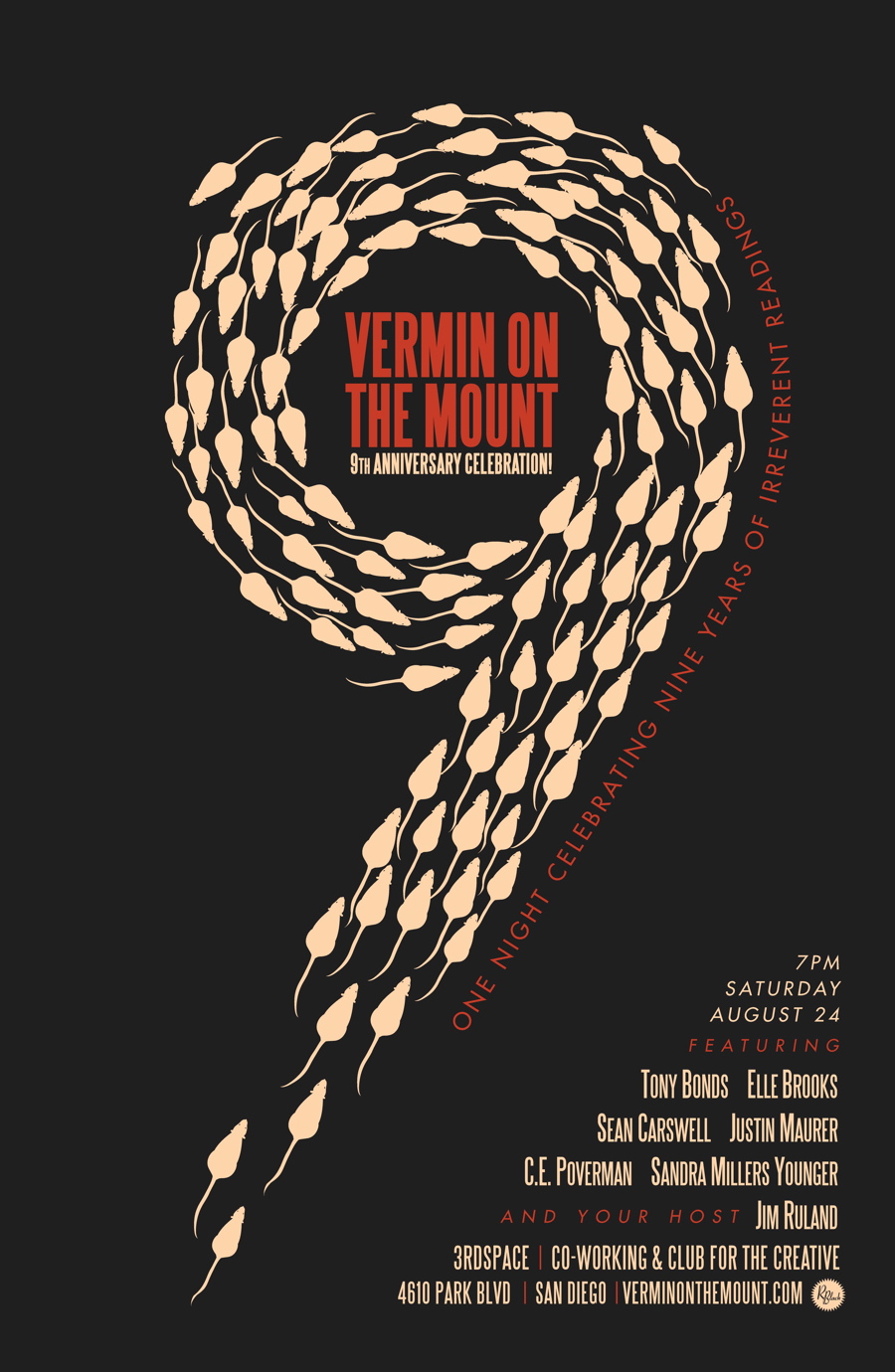
Thanks to the inimitable Jim Ruland, the Vermin On the Mount reading series has been reigning supreme for 9 years featuring irreverent storytellers such as yours truly.

Their 9th anniversary party and storytelling event galore is this Saturday night in beautiful San Diego, CA.   San Diego is known for its weather, beaches, college kids, Republicans, Navy presence, Sea World and Anchorman Ron Burgundy (“Stay Classy San Diego” or “Go Fuck Yourself San Diego”).

San Diego has also made national news recently due to the sexual harassment scandal of its Mayor, Bob Filner.

Former San Diego Mayor Bob Filner who resigned yesterday due to his sexual harassment scandal

Former San Diego Mayor Bob Filner who resigned yesterday due to his sexual harassment scandal

Regardless, San Diego has been home to a few excellent punk bands throughout the years, including but not limited to Battalion of Saints and the Power Chords.

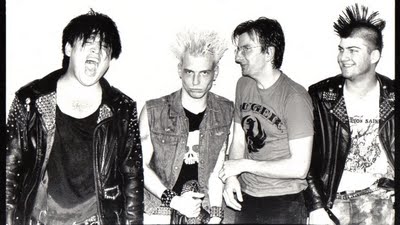
Battalion of Saints. Early 80s San Diego punk rock.  Photo by Ed Colver

Battalion of Saints. Early 80s San Diego punk rock. Photo by Ed Colver

I wish the Power Chords were still a band so I could go see them at the Tower Bar.  John Hammer? Craig Barclift? What happened?  Get that lead guitarist back and make it happen.

Power Chords, beautiful San Diego punk/powerpop RIP. If you don't have the "Dream Girl" single, get it, it's the best thing ever

Power Chords, beautiful San Diego punk/powerpop RIP. If you don’t have the “Dream Girl” single, get it, it’s the best thing ever

AND… The Power Chords live! I personally still can’t get enough…

I’m looking forward to my trip!  See you there.

VERMIN ON THE MOUNT 9th Anniversary Party!

Free. 7pm. Free food & drink.

3rd Space

4610 Park Blvd
San Diego, CA 92116
619-255-3609

Stay Classy San Diego,

Justin

13 Aug VOTM Poster Med

Reading at Echo Park Rising

13 Aug

Hello Friends,

Please join me at DM Collins’ Rrose is a Prose Reading Series this Sunday, a part of the Echo Park Rising Festival!

Hope to see you there!

xo

Justin

1167588_10151592516773297_30473303_o

San Diego Reading!

2 Aug

Hello San Diego and Tijuana friends,

I’m reading at the 9th anniversary of Vermin on the Mount end of this month.  Come down, should be a great night!

13 Aug VOTM Poster Med

30 Years

31 Jul

44

Dear Friends,

I was born 30 years ago. On my birthday I think. I think about surviving one more year and what an accomplishment it is.   The world is a place that forces one to be a boxer, bobbing, weaving, ducking, throwing punches and dodging punches and knowing when not to throw them. Also, not very often we are like Gandhi or Civil Rights activists.  We absorb blows nonviolently.  We let water hoses spray violent torrents of water all over us.  We let dogs maul us.  Sometimes the dogs lick us instead of maul us. Dogs and cats are wonderful.

I think about how I got here. I think about my Great Great Grandfather Jonas Maurer taking the boat from Bremen, Germany to Baltimore in 1903.  I think about him working in the factories in Youngstown, Ohio and how every 10 years he changed his nationality on the census (Sometimes he was “Slav” sometimes he was “Polish.” Sometimes he was “Austrian,” sometimes he was “Czech” for good measure).

My great great Grandad Jonas Maurer worked in the factories of Youngstown in the early 1900s

My Great Great Grandfather Jonas Maurer worked in the factories of Youngstown in the early 1900s

I think about growing up with a Deaf Mom and being her full time interpreter.  I think about my parent’s hell of a divorce.  I think about making the call to throw my Dad in jail when I was 16 years old.  I think about using music to get out of a small town and travel the world. I think about music falling on its face and being forced into selling dental supplies to make a living.

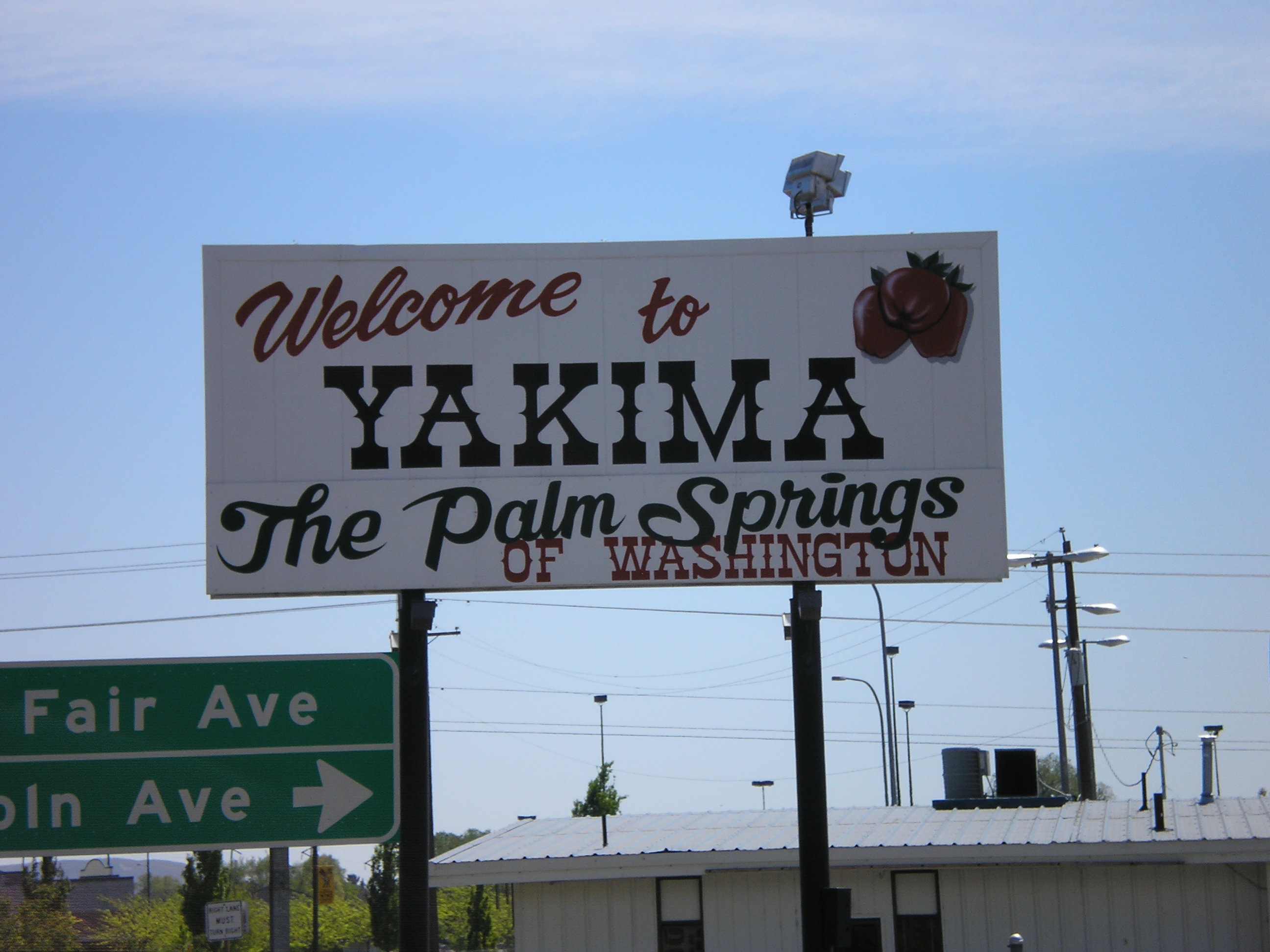
I think about all of the girls I was with and the girls I hurt and the girls that hurt me.  I think about my mother having the most love anyone could possibly have.  I think about my grandmother running away from home at 15 and how she played semi-pro softball for the Yakima Apple Queens.  I think about my brother Jamie and my sister Jenny and all of my wonderful friends around the world. I think about my girl and dog at home and how I can be a better person and make them happier.

My Grandma Shirlee Winans (Then Shirley Barry) played semi-pro women's softball for the Yakima Apple Queens in the 1950s

My Grandma Shirlee Winans (Then Shirley Barry) played semi-pro women’s softball for the Yakima Apple Queens in the 1950s

I think about how I came to be.   Yesterday I was feeling depressed and saw a bumper sticker. People in Los Angeles often express themselves through bumper stickers.  The bumper sticker read: Tough times don’t last. Tough people do.”

I thought about how I managed to stick around for 30 years.

Here’s to 30 more. I look forward to growing old and I’m so fortunate to have so many wonderful friends. My family can be a pain in the ass but I love them too with everything I’ve got.

It’s been widely read after his death, but this Roger Ebert quote stuck with me:

Roger Ebert

Roger Ebert

“I believe that if, at the end of it all, according to our abilities, we have done something to make others a little happier, and something to make ourselves a little happier, that is about the best we can do. To make others less happy is a crime. To make ourselves unhappy is where all crime starts. We must try to contribute joy to the world. That is true no matter what our problems, our health, our circumstances. We must try.”  – Roger Ebert

Here’s another good one:

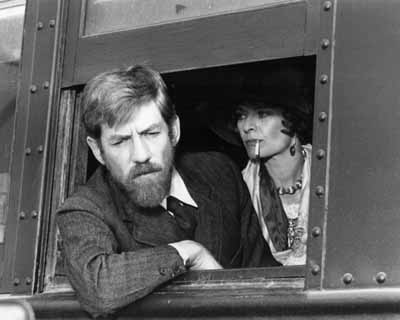
Frieda (Janet Suzman) and D. H. Lawrence (Ian McKellen) journeying by train to New Mexico

Frieda (Janet Suzman) and D. H. Lawrence (Ian McKellen) journeying by train to New Mexico

“Ours is essentially a tragic age, so we refuse to take it tragically. The cataclysm has happened, we are among the ruins, we start to build up new little habitats, to have new little hopes. It is rather hard work: there is now no smooth road into the future: but we go round, or scramble over the obstacles. We’ve got to live, no matter how many skies have fallen.” – D.H. Lawrence

To all of my friends and family, I couldn’t have done it without you.

Keep telling stories! Keep playing music!  Stay Gold Pony Boy!

Love,

Justin

RD9

RETURN OF THE REVISIONS! + Readings in LA, San Diego & Richmond, VA!

12 Jul
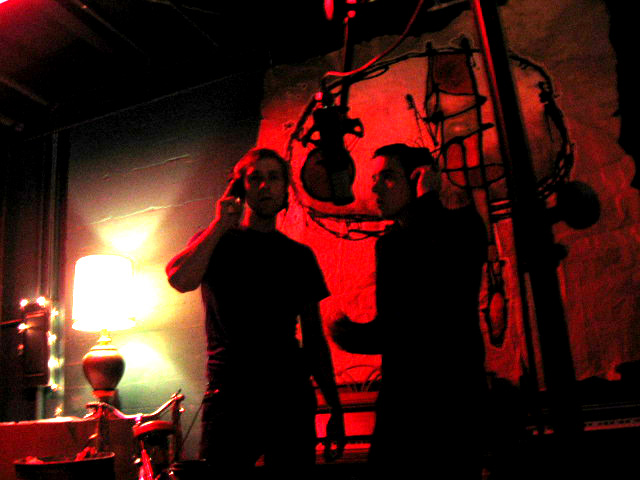
Justin and Doug recording backing vocals at Pat Kearn's Portland, OR studio for the Revisions "Revised Observations" LP

Justin and Doug recording backing vocals at Pat Kearns’ Portland studio for The Revisions “Revised Observations” LP

Hello Friends,

I’m preparing to embark on my East Coast adventure playing guitar once again for Portland punk powerhouse RED DONS.

My 30th birthday falls on July 31st and I’m looking forward to living up the last few weeks of my twenties.

I just received a re-printing of my chapbook and will be selling copies at the merch table on the Red Dons tour, so pick up a copy if you’d like.

The fabulous acoustic alter ego of Red Dons is called The Revisions.  Back in 2006 I released my 1st chapbook “Don’t Take Your Life” on Portland’s Future Tense Books.  I asked Doug Burns of the Observers and Red Dons if he’d like to play some songs acoustically at one of my first readings.  Sunday April 23rd 2006 at The Paragon in North Portland was the debut of The Revisions which included Daniel “Hadji” Husayn on acoustic bass.   If you haven’t heard “On The Lam” or “Where I Stay,” these are gems of songs up there with greats like Violent Femmes and Dead Milkmen.

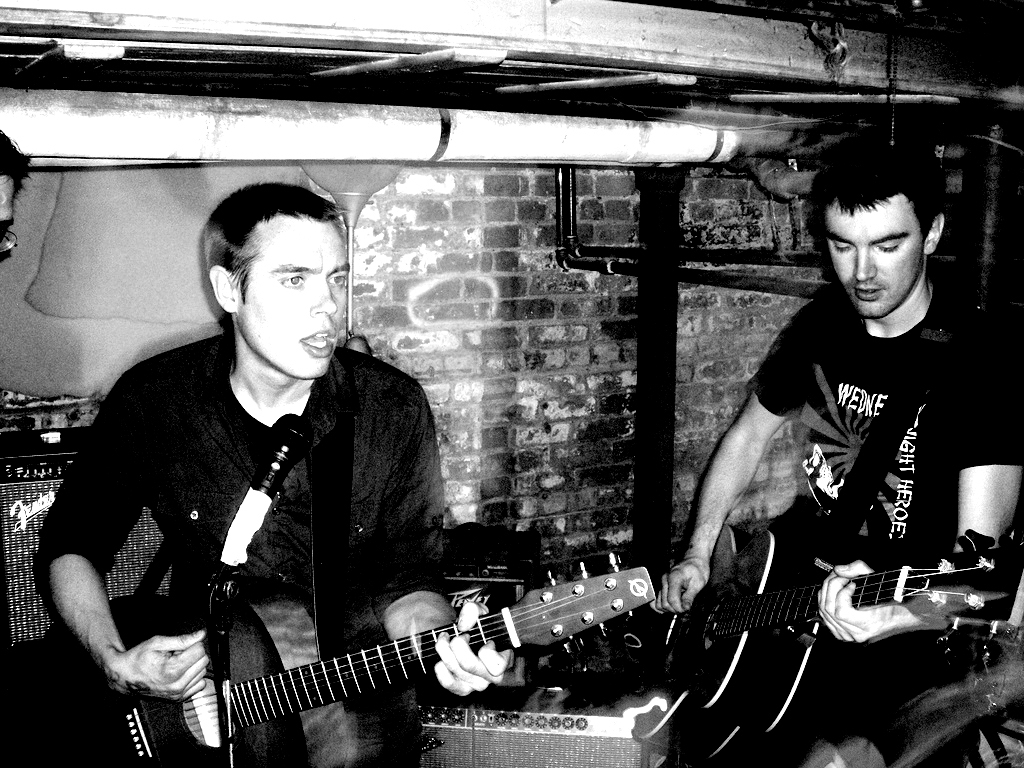
The Revisions in Albany, NY 2007

The Revisions in Albany, NY 2007

You can hear Revisions songs here

Footage of Revisions playing live at a backyard BBQ

Revisions "On The Lam" 45 One of their best songs

Revisions “On The Lam” 45 One of their best songs

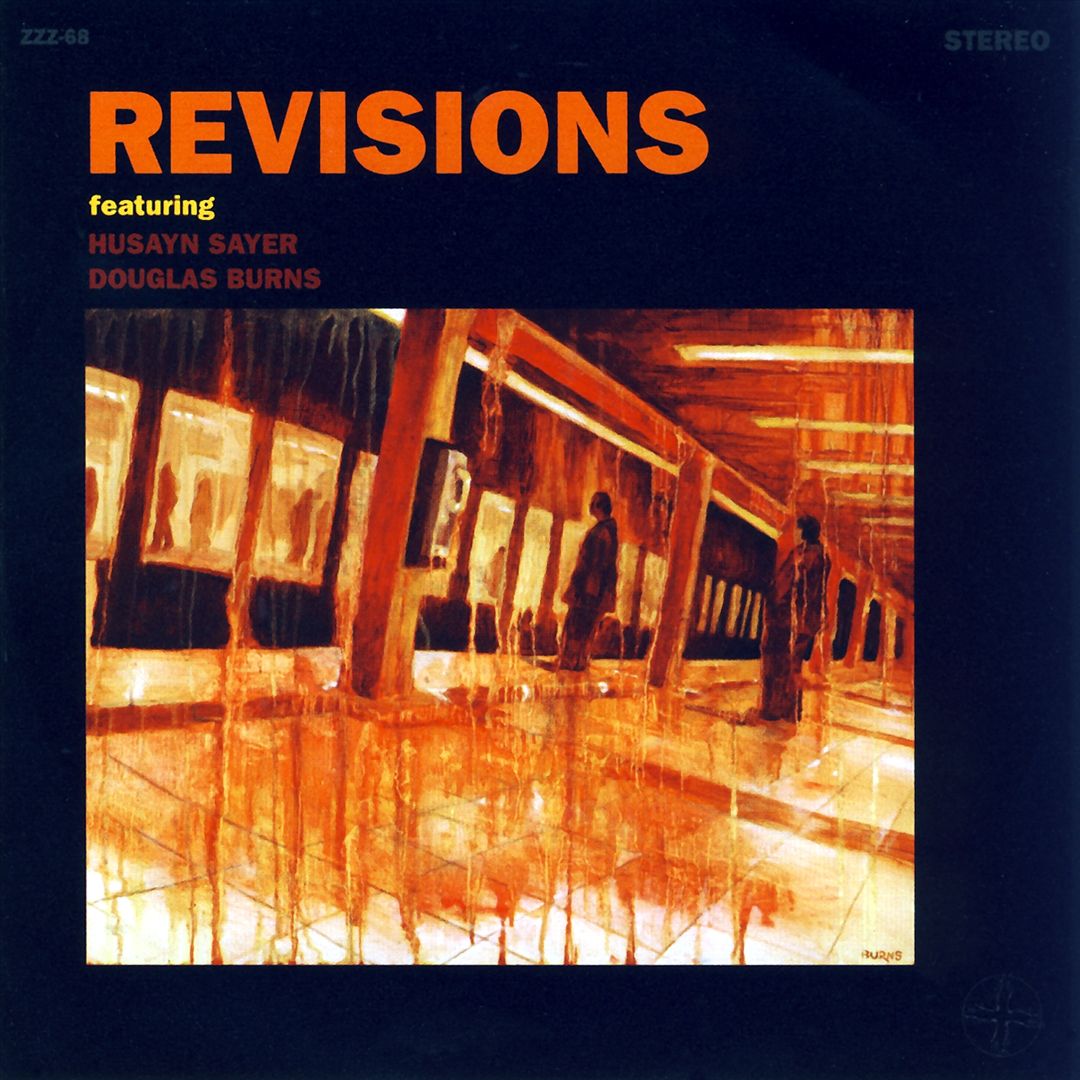
You can purchase Revisions “Revised Observations” LP/CD or the “On The Lam” 7″ single from Dirtnap Records here

Revisions LP - classic and criminally underrated

Revisions LP – classic and criminally underrated

One of my favorite memories on tour is being in Winnipeg, Canada and seeing Revisions play a spontaneous set in the basement of a house party at 4 in the morning.  Before the party, I found myself hanging out with a couple Winnipeg nogoodniks on the roof of a hotel, trying to steal a giant Canadian flag.  After a couple attempts, we succeeded, sliding down drainpipes and running down the street “Another State of Mind” style with the massive flag unfurled…

The flag we stole off the hotel roof was literally about this big

The flag we stole off the hotel roof was literally about this big

One of our friends, John Nuclear, a licensed minister, married a couple outside of the party in the middle of the night.  Because of all the noise (and fun), Winnipeg PD squad car was dispatched to shut everything down.  Derek Skokan who was The Revisions drummer was outside the party on the sidewalk, he had just smoked a huge blunt.  The Winnipeg cop asked him what he was doing and he explained how he was in an American band and had just played a couple of shows.  The cop asked him what his plan for the evening was and he shrugged his shoulders.  The cop, beginning to lose his temper, raised his voice impatiently, “So you came to Winnipeg without any plans, not knowing where you were going to stay?”   Derek replied with a very stoned inflection on his voice, “Well, if worse came to worse, we just figured we’d get a cheap motel or something.”  The cops gave up on Derek and stormed into the house with their flashlights to shut down the party.  Witnessing this conversation I laughed until my stomach began to hurt.  The cop’s face and disgusted reaction was priceless…   That night I ended up getting together with a very beautiful girl, but that’s a different story…

winnipeg police

We’re reuniting my stories and Revisions music in Richmond, Virginia on July 22nd at 7pm.  If you’re in the area, swing by, it’ll be a perfect Monday night.

The Revisions live and a book reading from “Seventeen Television”:

Monday July 22nd Richmond, VA @ Vinyl Conflict Records 324 S Pine St  Richmond,  23220 – 7pm, 804-644-2555

And I have a couple more readings announced:

Sunday August 18th Los Angeles, CA @ Rrose is a Prose w/ DM Collins, more.

Saturday August 24th San Diego, CA @ 3rd Space, Vermin on the Mount w/ Jim Ruland, more , 7pm  4610 Park Blvd, San Diego 92116. 619-255-3609

Looking forward to spending some days and nights with you all.

Be excellent to each other,

Justin

Red Dons East Coast Tour!

2 Jul
Red Dons in London 2007. Photo by Mateus Mondini

Red Dons in London 2007. Photo by Mateus Mondini

Hello Friends,

I’m delighted to announce that I’ll be joining forces with Portland punk juggernauts Red Dons once again!

We’ll be playing the following dates:

7/17 Brooklyn @ Death By Audio
7/18 Philadelphia @ Golden Tea House
7/19 Washington D.C. @ Casa Fiesta
7/20 Richmond @ Strange Matter
7/21 Chapel Hill @ The Cave (Free Show)
7/22 Richmond (Revisions) @ Vinyl Conflict
7/23 Baltimore @ Golden West Café
7/24 New Brunswick @ The Alamo
7/25 Manhattan @ The Cake Shop
7/26 Long Island @ No Fun Club
7/27 Boston @ The Middle East (all ages)
7/27 Boston @ O’Briens ( 21+ )

http://www.reddons.com

See you soon!

xo

Justin

Red Dons in Copenhagen. 2007.

Red Dons in Copenhagen. 2007.

My Dad’s 80s LA punk band The Defenders

14 Jun

Originally published here

THE DEFENDERS

thedefenders

Los Angeles, CA – 1980-1985 – New Wave/Punk

I was a little boy in LA and my dad and his band would drink green bottles of pop-top Grolsch and practice in the living room of our little house. I remember plugging my ears to shield them from the loud and fast music.

Dave the drummer played with tight, closed hi-hats. My dad Paul was the goofy lead singer and made exaggerated facial expressions as he theatrically belted out their lyrics. The bassist Kenny had a cool leather jacket and a black Beatle bass. The guitarist Lawson bent his strings up into blue-notes and had a powerful scent on his clothing that I would later recognize as a teenager – marijuana. It sounded like rock and roll and I loved it. –Justin Maurer, son of Lead Singer Paul Maurer. 

Take a trip to L.A., 1982 with The Defenders

I interview the Defenders for Razorcake Magazine here (some great photos too)

Trop Magazine, “Oakland Days”

16 May

Oakland Days

by in Memoir | May 16, 2013

http://tropmag.com/2013/oakland-days

My father told me about his younger days when he worked at a day care center and was broke. He had to sustain himself on graham crackers and peanut butter and milk, the snacks they set aside for the preschoolers.

He told me this as if he was a victim.

He lived in a trailer next to his brother’s house in LA. His brother’s wife didn’t like him. My dad had to piss and shit in the bushes because she wouldn’t let him use the bathroom in the house.

Hearing this reminded me of my Oakland days.

I hadn’t spoken with my father in a few years. When I was nineteen I had my dad thrown in jail for an altercation he had with my sister. I hated the police and still do but they were the only ones who could get him to stop. My mom, little sister, and little brother moved to New York and I moved to Oakland to play drums in a punk band.

I had $500 that my grandmother gave me for giving my car to my cousin before I moved. I thought that was a huge amount of money. I took a Greyhound bus down from Seattle. Arriving in Oakland I slept on a friend’s couch and watched them snort cocaine and speed while listening to punk records. Cocaine was not something I did at nineteen. My money dwindled down to $300 and I found a room in a warehouse off San Leandro for $300. I paid the money and was dead broke.

My father was incommunicado, off in Brazil trying to save the rainforest and my mother was on the east coast struggling her way through a master’s degree while supporting my brother and sister. I wasn’t going to worry my grandmother. She was the only person I could have asked for money. I grinned and bared it.

My room was bare. I had a mattress and a concrete floor, my clothes folded on a white bed sheet, also on the floor. I had a beat-up Turkish rug that looked like it’d survived a fire. I had a little TV with rabbit ear antennae that managed to pick up one station, Telemundo, so I’d watch Sylvester Stallone and Bruce Willis overdubbed in Spanish.

I sustained myself on one carne asada taco a day. It cost one dollar from a truck parked a couple blocks away. I would pay with a handful of change. Those tacos kept me alive. God that daily taco was good. I chewed it gingerly, slowly, in order to appreciate every morsel.

Back in my clammy room, I could smell the Mexican family’s cooking next door and my stomach would twist and turn. I rifled through my roommates cupboards and found some stale tortillas and the remnants of a jar of peanut butter. I smeared the peanut butter on the stale tortillas and staved off the hunger for a while.

Oakland days.

A car slowed down on International Blvd. trying to pick me up thinking I was a young male hustler. A few weeks later I got chased by kids with baseball bats down by the train tracks in Fruitvale. A few months later off Adeline St. in North Oakland I saw a drive-by shooting, BAM BAM BAM RAT A TAT TAT TAT. I heard the ricocheting of bullets, just like the sounds in an old Western. I hit the pavement.

On my way back from a job interview I jumped the turnstiles on the BART train to avoid paying. A big black security guard chased me. I kicked the emergency exit doors open and the alarm sounded like a lost night phantom as I ran and ran.

I got a job as a customer service agent answering telephones. That last week without pay my stomach turned concave. I would steal apples from co-workers’ brown paper lunch bags in the break room refrigerator. On the way home little black kids would lift up their shirts to show me the handguns stuffed into their waistbands.

“Motherfucker. Cracker. White Bread.”

They pointed their fingers at me like pistols and blew off the imaginary smoke. I stared them in the eyes.

I heard stories. One story was about a white woman jogging with her yellow labrador retriever in West Oakland. When her dog took a shit, she put her hand inside of a plastic bag and bent down to pick it up. An older black man began to shout at her scornfully.

“Girl, what you doin’? This ain’t no Berkeley! This Oakland! You leave that shit right there! Ain’t no Berkeley,” he muttered again to himself.

I heard stories about a part of Oakland called dogtown, where giant wild mutts ran free and would snap at your legs if you rode your bike too close.

I heard a story about a crackhead who stole a couple’s TV set. He climbed in through their living room window and unplugged the TV while they were watching him incredulously, seated on their couch. He lifted the blinds and climbed right back out the window, TV in hand. The couple was in shock, they were just paralyzed. They couldn’t stop the fearless crackhead from making his broad-daylight theft. I wasn’t shocked by too much anymore.

I heard another story of a large punk rocker, a big bald white man from Louisiana riding his bicycle. A black kid tried to force him off of his bike, trying to steal it. He grabbed the kid in a headlock and pedaled at top speed. He said to the youngster,

“One of us is going to the hospital kid, and I’ll tell you one thing, it ain’t gonna be me.”

On the way to the liquor store, I saw a few kids rip off an ice cream man. They threw down a handful of change and ran off laughing, strawberry and chocolate and vanilla cones in hand.

At the liquor store, a man was trying to bargain for credit.

“Come on man, I pay you next time. You know I’m good for it.”

The turban-wearing Indian liquor store clerk yelled back.

“No, you say this last time, no good, you no come in store anymore.”

The black customer continued,

“Man, I know you ain’t no Al Qaeda. We cool. I pay you next time.”

He walked out without paying, bottle in hand.

On the street the man had uncapped his bottle and was talking to his friend.

“Man, you know how it is. First in America you had the Indians. They done got killed off. Then you had the Irish and the Italians. Nobody liked them back in the day. Then you had the slaves. Then you had the Chinese building the railroads. Black people done got profiled ‘til now. Now it’s the A-rabs. It’s they turn. Now it’s THEY turn. I’m happy the poh-lice aren’t racially profiling my ass. Profile THEY ass. The A-rabs.”

I wondered to myself what would have happened if abolitionists had taken up his personal philosophy of, “Now it’s their turn.”

Sometimes when I did my laundry I would go to a black Muslim bakery on San Pablo to get a fish sandwich. The five-dollar sandwich was one of the few luxuries I offered myself besides carne asada burritos or six packs of beer after payday. On the wall were slave shackles from the 1800s with a sign that read, “Never forget.”

“How can I help you sir,” the man working there asked. He bore a resemblance to a young Malcolm X with 1960s spectacles, bowtie and cropped hair. He put extra emphasis on the word “sir,” as if I was one of those former slaveholders he wasn’t forgetting about.

“I’ll have a fish sandwich please.”

“That will be five dollars SIR. Anything else I can get for you SIR.”

“No, that will be it.”

“Your order will be ready in about five minutes SIR.”

In the back of the bakery a group of school kids prayed to Allah on floor mats. I sat down and waited for my sandwich while enduring some scornful looks from other customers. After a few bad-vibe trips to the fish sandwich place I stopped going.

After living there for a little while, I began to understand the context of things like the Black Panthers, Hell’s Angels, Oakland Raiders. It all began to make sense.

They evicted everyone in our building in North Oakland. They were tearing it down to build new condos. It was the beginning of the gentrification up on the border with Emeryville. I moved with a friend into his van behind the Oak’s Club, a twenty-four-hour casino off San Pablo. We peed in the bushes and slept in the van. At night before bed we’d brush our teeth in the Oak’s Club bathroom. Sometimes we’d park at the Berkeley Marina and in the morning a gorgeous sunrise would shine upon the Bay Bridge and the San Francisco Bay in all of its glory. Chipmunks would exit their caves and frolic amongst the rocks. We called them “sea munks.” I would stand atop the rocks in my boxer shorts and yell,

“I am king of the sea munks!”

Sometimes gay guys would try and cruise us.

“Have you guys ever heard of Aquatic Park,” was their code-question for “Do you want to suck me off in the bushes?”

We didn’t know any code-questions. We were just young kids trying to make our way in the world. When my dad told me the story about him eating preschoolers’ graham crackers for lunch I thought, “Dad, you don’t know shit.”

Hand drawn map by Alden Olmsted

Image

Good Day

29 Apr